Author: engkimbs

  • Sculptra: What to Know Before Treatment

    Sculptra: What to Know Before Treatment

    When conversations about facial rejuvenation come up, most people immediately think of traditional fillers or surgical facelifts. But there’s a different category of treatment that works gradually, beneath the surface, to restore volume in a way that looks remarkably natural. Sculptra has gained attention precisely because it doesn’t deliver instant results—instead, it stimulates your own collagen production over several months, creating changes that unfold gradually and look like you’ve simply aged well rather than had obvious work done.

    Understanding how this treatment differs from conventional fillers, what realistic expectations look like, and whether it addresses your specific concerns requires looking past the marketing language to examine what the procedure actually does and for whom it works best.

    How Sculptra Actually Works

    Unlike hyaluronic acid fillers that provide immediate volume by physically filling space under the skin, sculptra uses poly-L-lactic acid (PLLA) to trigger your body’s natural collagen production. The injected material acts as a biostimulator, encouraging fibroblasts—the cells responsible for producing collagen—to gradually rebuild structural support in areas that have lost volume over time.

    This fundamental difference in mechanism explains why results appear slowly. You won’t walk out of your appointment with dramatically fuller cheeks. Instead, over the course of several weeks to months, you’ll notice a progressive improvement in skin thickness, texture, and overall volume. The collagen your body produces in response to the treatment integrates naturally into your facial structure, which is why outcomes tend to look less “filled” and more like a version of your younger self.

    The poly-L-lactic acid itself is biocompatible and biodegradable, meaning your body eventually absorbs it completely. What remains is the collagen framework your own cells created, which typically lasts around two years or more before natural aging processes gradually diminish the effect.

    Who Benefits Most From This Approach

    Sculptra addresses a specific type of aging concern: generalized volume loss rather than discrete wrinkles or folds. If you’ve noticed that your face looks thinner, more hollow, or less structured than it did a decade ago—particularly in the temples, cheeks, or mid-face—this treatment targets exactly that issue. It’s especially effective for people experiencing what’s sometimes called “facial deflation,” where the loss of deep fat pads creates a gaunt or aged appearance even when skin quality remains relatively good.

    The treatment works less well for fine lines, surface-level wrinkles, or lip augmentation. Those concerns typically require different products designed for superficial placement. Similarly, if you’re dealing with significant skin laxity or sagging, Sculptra won’t tighten loose skin—it adds volume beneath it, which can improve contours but won’t eliminate excess tissue.

    Ideal candidates usually fall into their late thirties through sixties, though age matters less than the specific type of volume loss you’re experiencing. Genetics play a substantial role here; some people maintain facial fat into their seventies, while others see noticeable hollowing in their thirties. Your individual aging pattern determines whether this approach makes sense for your situation.

    The Treatment Protocol and Timeline

    Most treatment plans involve a series of sessions—typically two to four appointments spaced about four to six weeks apart. This staged approach allows your provider to assess how your tissue responds and make adjustments in subsequent sessions based on the collagen production you’re generating.

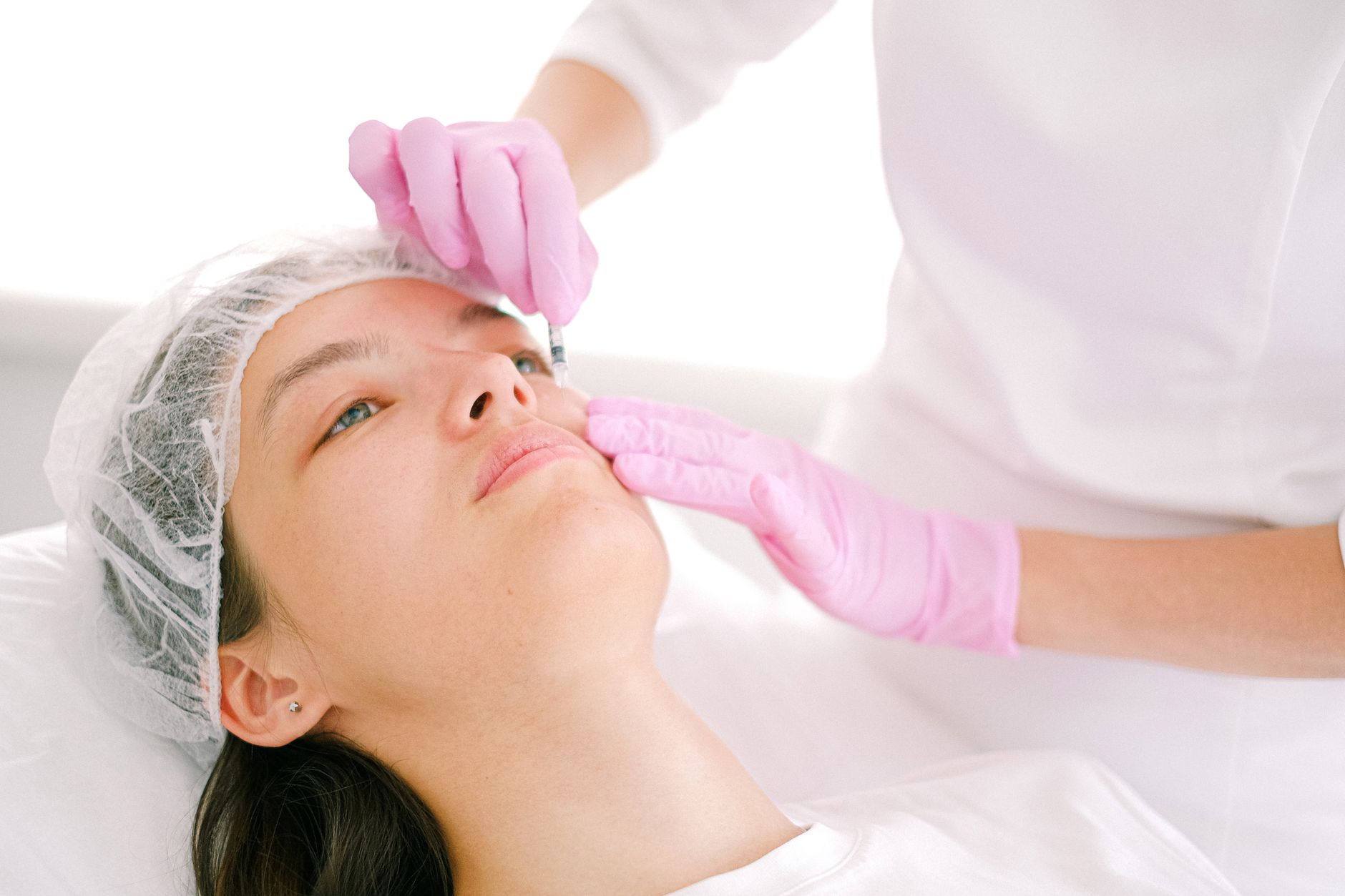
    Each session takes roughly thirty to forty-five minutes. Your provider will mark injection points, apply topical numbing if needed, and inject the solution using a fine needle or cannula. The product is often diluted with sterile water and sometimes lidocaine for comfort, and the amount used varies based on the treatment area and your specific volume deficit.

    Immediately after treatment, you might notice some fullness, but this is primarily swelling and fluid from the injection itself, not the actual result. That temporary effect subsides within a few days. The real changes start becoming apparent around six to eight weeks after your first session, with progressive improvement continuing for several months. Maximum results typically show up around three to six months after completing your full series.

    Providers usually recommend massaging the treated areas for about five minutes, five times daily, for five days following each session. This “rule of fives” helps distribute the product evenly and reduces the risk of small nodules forming under the skin.

    What Results Actually Look Like

    The hallmark of well-executed Sculptra treatment is subtlety. People who see you regularly won’t necessarily pinpoint that you’ve had a procedure—they might just think you look rested, healthier, or that you’ve lost weight in a flattering way. The gradual nature of collagen building means your face doesn’t change dramatically overnight, which helps maintain a natural appearance.

    You’ll typically see improved fullness in the mid-face, better definition along the jawline if temples were treated, and an overall lift in facial contours as volume is restored in strategic areas. Skin quality often improves too, with a slight thickening that can minimize the appearance of fine lines, though that’s a secondary benefit rather than the primary goal.

    The longevity of results—often two years or longer—makes this approach appealing for people who want to avoid frequent maintenance appointments. However, it’s worth understanding that you won’t maintain permanent results. Natural aging continues, and you’ll eventually need touch-up treatments to sustain the improvement, though maintenance sessions typically require less product than the initial series.

    Potential Concerns and Realistic Limitations

    No cosmetic treatment is entirely without risk. The most common side effects are temporary and minor: swelling, bruising, redness at injection sites, and tenderness that resolves within a few days. Some people develop small bumps (nodules) under the skin, particularly if the product isn’t placed correctly or if post-treatment massage instructions aren’t followed. Most nodules are not visible on the surface and resolve on their own, though occasionally they require treatment.

    More serious complications are rare but include infection, granulomas (inflammatory nodules), or product migration. These risks increase when treatment is performed by inexperienced injectors or when proper sterile technique isn’t maintained. Choosing a qualified, experienced provider significantly reduces these possibilities.

    Sculptra also requires patience, which some people find challenging. If you want immediate results or need to look noticeably different for an upcoming event, this isn’t the right treatment. The delayed gratification works beautifully for those who appreciate gradual, natural-looking enhancement but frustrates anyone expecting instant transformation.

    Making an Informed Decision

    Before committing to treatment, a thorough consultation should involve facial analysis from multiple angles, discussion of your specific concerns, and realistic expectation-setting about what this particular product can and cannot accomplish. A skilled provider will assess your bone structure, skin quality, existing volume, and overall facial proportions to determine whether Sculptra addresses your primary issues or whether a different approach—or combination of approaches—makes more sense.

    Cost is another practical consideration. Because treatment involves multiple sessions and significant amounts of product for larger treatment areas, the investment is often comparable to or higher than traditional filler treatments, though the longer duration of results can make the per-year cost competitive.

    Ask to see before-and-after photos of patients with similar aging patterns and facial structures to yours. This gives you a more accurate sense of potential outcomes than looking at results from people with entirely different features or concerns. Also inquire about the provider’s experience specifically with this product—technique matters significantly, and proficiency with one type of injectable doesn’t automatically translate to expertise with all of them.

    Understanding what Sculptra actually does, how it differs from other options, and whether it aligns with both your aesthetic goals and your patience for gradual results helps ensure you’re choosing a treatment for the right reasons. When the approach matches your specific type of volume loss and you have realistic expectations about the timeline, outcomes tend to be satisfying and remarkably natural-looking. When it’s used to address concerns it wasn’t designed to fix, or when patients expect immediate dramatic change, disappointment is almost inevitable. The key is matching the treatment to both the problem and your personal preferences for how you want enhancement to unfold.


  • Eyelid Surgery: What to Expect

    Eyelid Surgery: What to Expect

    If you’ve noticed that your eyes look tired no matter how much sleep you get, or that excess skin on your upper lids is making you look older than you feel, you’ve probably come across eyelid surgery as a solution. The procedure — medically called blepharoplasty — consistently ranks among the most requested cosmetic surgeries, yet many people don’t fully understand what it involves, who it’s actually for, or what realistic outcomes look like.

    Understanding the procedure before committing to it changes how you evaluate whether it’s the right choice for your specific concerns. This isn’t about chasing an arbitrary beauty standard; it’s about addressing functional issues or aesthetic concerns that genuinely affect how you see yourself.

    What Eyelid Surgery Actually Corrects

    Blepharoplasty addresses specific structural issues around the eyes that develop with age or, in some cases, are present from early adulthood due to genetics. The upper eyelid procedure removes excess skin and sometimes fat that creates hooding, drooping, or heaviness above the eye. When this tissue accumulates enough, it can obstruct peripheral vision or create a perpetually fatigued appearance that doesn’t match how you actually feel.

    Lower eyelid surgery targets under-eye bags, puffiness caused by protruding fat pads, and loose skin that creates a hollowed or aged look. Some people develop these changes in their thirties; others don’t see them until much later. The timeline varies significantly based on genetics, sun exposure, lifestyle factors, and the natural structure of your facial anatomy.

    It’s worth noting that eyelid surgery isn’t exclusively a women’s procedure — men increasingly seek it for both cosmetic and functional reasons, particularly when drooping lids interfere with vision or professional appearance.

    The Consultation: What Surgeons Evaluate

    A qualified surgeon doesn’t just look at your eyelids in isolation. The assessment includes your entire eye area anatomy: brow position, cheek structure, tear trough depth, skin quality, and how your facial muscles function. Drooping that appears to come from your eyelid might actually originate from a descended brow, which would require a different surgical approach entirely.

    During consultation, expect discussion about your medical history, particularly any conditions affecting healing, blood clotting, or eye health. Dry eye syndrome, thyroid disorders, high blood pressure, and diabetes all influence surgical planning and candidacy. Your surgeon should also assess realistic expectations — what the procedure can and cannot achieve given your specific anatomy.

    Upper Versus Lower Lid Procedures

    These are often discussed together but involve different techniques and recovery experiences. Upper blepharoplasty typically removes a crescent of skin from the natural eyelid crease, sometimes repositioning or removing small amounts of fat. The incision hides within the crease and becomes nearly invisible once healed.

    Lower lid surgery is more variable in approach. Some cases require only fat repositioning through an incision inside the lower lid (transconjunctival approach), leaving no visible scar. Others need skin tightening, which requires an incision just below the lash line. The technique depends entirely on whether your issue is primarily fat-related, skin-related, or both.

    Recovery Timeline and What It Actually Feels Like

    The first week post-surgery involves bruising, swelling, and sensitivity that most people describe as more uncomfortable than painful. Your eyes may feel tight, dry, or gritty. Vision can be temporarily blurry from ointments and swelling. Most surgeons recommend taking at least a week off work, longer if your job is physically demanding or requires prolonged screen time.

    Bruising typically peaks around days three to five, then gradually fades over two weeks. Swelling follows a slower curve — most resolves within three weeks, but subtle puffiness can persist for several months, especially in the mornings. This delayed resolution surprises people who expect to see final results immediately after sutures come out.

    Incision lines remain pink and slightly raised for several months before flattening and fading to thin white lines. For upper lids, this happens within the crease and becomes essentially imperceptible. Lower lid incisions, if external, take longer to fully mature but are positioned to be minimally visible.

    What Results Look Like Long-Term

    Successful blepharoplasty creates a refreshed, alert appearance without looking “done.” The goal isn’t to radically change how you look, but to remove tissue that’s obscuring your natural eye shape or creating an inaccurate impression of fatigue or age. When performed well, people notice you look rested or younger without being able to pinpoint exactly why.

    Results are long-lasting but not permanent. Your skin continues aging, and some laxity will eventually return — though you’ll likely never return to the pre-surgery level of excess tissue. Most people find results last ten to fifteen years before considering a revision, if ever. The longevity depends partly on genetics and partly on how well you protect your skin from sun damage and other aging accelerators.

    Risks and Realistic Expectations

    All surgery carries risk, and eyelid procedures are no exception. Temporary side effects include dry eyes, sensitivity to light, blurred vision, and difficulty closing your eyes completely while swelling persists. Rare but serious complications include infection, scarring, asymmetry, and vision changes. Choosing a board-certified surgeon with specific experience in facial plastic surgery or oculoplastic surgery significantly reduces these risks.

    Unrealistic expectations cause more disappointment than surgical complications. Blepharoplasty won’t eliminate dark circles caused by pigmentation or thin skin, won’t lift a sagging brow, and won’t erase crow’s feet or other wrinkles outside the immediate eyelid area. Understanding the specific problem you’re addressing and what the procedure can realistically correct is essential before moving forward.

    Is It the Right Procedure for Your Concern?

    Eyelid surgery works exceptionally well for excess skin, fat herniation, and hooding that’s genuinely eyelid-related. It doesn’t address issues better solved by brow lifts, facial fillers, laser resurfacing, or skincare. If your primary concern is volume loss in the under-eye area rather than true puffiness, fat grafting or filler might be more appropriate. If your upper lid issue stems from brow descent, a brow lift targets the actual source.

    The decision ultimately comes down to whether the specific anatomical issue you have aligns with what blepharoplasty corrects, and whether the recovery, cost, and risks feel proportionate to the improvement you’re seeking. For many people dealing with functional vision obstruction or significant skin redundancy, the answer is clearly yes. For others exploring options to address more subtle concerns, it’s worth thoroughly comparing surgical and non-surgical alternatives before committing.

    What matters most is entering the process informed, with realistic expectations, and with a surgeon who takes time to understand what you’re actually trying to achieve rather than defaulting to a one-size-fits-all approach.

  • Understanding Gynecomastia

    Understanding Gynecomastia

    Why This Male Health Condition Matters in Women’s Wellness Circles

    When we talk about body image, hormonal health, and cosmetic concerns, the conversation often centers on conditions that primarily affect women. But understanding gynecomastia — the development of excess breast tissue in men — has become increasingly relevant for women who support male partners, raise sons, or work in wellness and aesthetic fields. The condition affects an estimated 30 to 50 percent of men at some point in their lives, yet it remains surrounded by silence and misinformation that prevents many from seeking appropriate care.

    Gynecomastia isn’t vanity or exaggeration. It’s a legitimate medical condition with physical and psychological dimensions that mirror many of the body image challenges women navigate throughout their lives. For women who’ve experienced judgment about their bodies or struggled with unwanted physical changes tied to hormones, understanding what men with gynecomastia face can build empathy and open important conversations within families and relationships.

    What Actually Causes Gynecomastia

    The condition develops when the balance between testosterone and estrogen shifts in a way that allows breast tissue to grow. While we typically think of estrogen as a female hormone, men produce it too, and their bodies normally maintain a ratio that prevents breast tissue development. When that ratio changes — whether from natural hormonal fluctuations, medications, health conditions, or lifestyle factors — tissue growth can occur.

    Adolescent boys frequently develop temporary gynecomastia during puberty as hormone levels fluctuate and settle into adult patterns. This typically resolves on its own within six months to two years, though the waiting period can be emotionally difficult for teenagers already navigating social pressures and body consciousness. Older men experience higher rates as testosterone levels decline naturally with age, creating a hormonal environment where even normal estrogen levels can trigger tissue growth.

    Certain medications carry gynecomastia as a known side effect, including some treatments for heart conditions, ulcers, anxiety, and prostate issues. Recreational substance use, particularly marijuana and anabolic steroids, can disrupt the hormonal balance significantly. Underlying health conditions affecting the liver, kidneys, or thyroid may also alter hormone metabolism in ways that promote breast tissue development.

    The Psychological Weight Beyond Physical Symptoms

    Women familiar with the emotional toll of unwanted body changes understand that the psychological impact often outweighs the physical. Men with gynecomastia frequently withdraw from activities that require removing their shirt — swimming, intimate relationships, gym sessions — and may develop posture habits like hunching or crossing arms that attempt to hide their chest. The social stigma remains particularly intense because male breast development contradicts cultural expectations of masculine appearance.

    Depression and anxiety rates run higher among men dealing with gynecomastia compared to the general population, yet many resist seeking help because discussing breast tissue feels shameful or emasculating. This mirrors patterns women know well from navigating medical systems that sometimes dismiss aesthetic concerns as trivial, even when they profoundly affect quality of life and mental health.

    When to Encourage Medical Evaluation

    If a male family member or partner mentions chest changes or you notice he’s avoiding situations where his chest might be visible, a gentle conversation about medical evaluation can make a real difference. Gynecomastia requires proper diagnosis to rule out rare but serious causes, including testicular tumors, pituitary disorders, or other hormonal conditions that need specific treatment beyond addressing the breast tissue itself.

    A healthcare provider can distinguish true gynecomastia from pseudogynecomastia, which involves fat accumulation rather than actual breast tissue growth. The distinction matters because the appropriate treatment differs — weight loss and exercise may resolve pseudogynecomastia, while true glandular tissue typically requires medical or surgical intervention. Blood tests checking hormone levels, liver function, kidney function, and thyroid status help identify underlying causes that might be addressed directly.

    The Timeline That Determines Treatment Options

    Tissue that’s been present for less than a year often responds to medication that blocks estrogen receptors or adjusts the hormonal balance. Once gynecomastia has been present beyond the 12-month mark, the tissue typically becomes fibrotic — meaning it develops a denser, more permanent structure that medication alone won’t resolve. This window makes early evaluation particularly valuable for cases that might still reverse with non-surgical approaches.

    Treatment Approaches from Conservative to Surgical

    When an underlying cause is identified — a medication, thyroid disorder, or other treatable condition — addressing that root issue sometimes resolves the breast tissue growth. For adolescents experiencing pubertal gynecomastia, watchful waiting with regular monitoring is often appropriate since most cases resolve naturally as hormones stabilize.

    Medication options include selective estrogen receptor modulators that block estrogen’s effects on breast tissue, or aromatase inhibitors that reduce estrogen production. These work best for recent-onset gynecomastia and show limited effectiveness once tissue has become established. Side effects and long-term safety considerations mean these aren’t appropriate for everyone, and results vary significantly between individuals.

    When Surgery Becomes the Practical Solution

    For established gynecomastia that hasn’t responded to other measures, surgical removal offers definitive correction. The procedures range from liposuction alone for cases with significant fat content, to excision of glandular tissue through small incisions around the areola, to more extensive operations for severe cases involving excess skin. Recovery typically involves several weeks of compression garment wear and activity restriction, with most men returning to normal routines within a month.

    The decision to pursue surgery involves weighing the physical discomfort and psychological burden of living with the condition against the risks, costs, and recovery requirements of the procedure. It’s a deeply personal calculation that benefits from the same kind of thoughtful consideration women apply when evaluating their own cosmetic procedure options.

    How Women Can Offer Meaningful Support

    The most valuable support often starts with simply acknowledging that the concern is legitimate. Men dealing with gynecomastia may test the waters with indirect comments or jokes about their chest before revealing how much it actually bothers them. Responding with empathy rather than dismissal — “That sounds really frustrating” rather than “It’s not that noticeable” — creates space for honest conversation.

    Sharing your own experiences with unwanted body changes or the emotional process of considering cosmetic procedures can help normalize the feelings without making it about you. The goal is connection, not comparison, but sometimes knowing that someone else understands the specific anxiety of feeling betrayed by your own body makes the isolation less intense.

    If he’s considering treatment, offering to help research options, attend consultations, or simply talk through the decision-making process provides concrete support. If he chooses surgery, understanding that recovery involves real physical limitations and potential emotional vulnerability — much like recovering from any procedure that changes your appearance — helps you provide appropriate care during that period.

    The Broader Wellness Perspective

    Understanding gynecomastia fits into the larger framework of recognizing that hormonal health, body image concerns, and the intersection of physical and psychological wellness aren’t gendered issues — they’re human ones that manifest differently across bodies and life stages. Women who’ve navigated their own hormone-related challenges or body image struggles are often uniquely positioned to recognize when men in their lives are dealing with similar issues under different names.

    The silence around male body image concerns serves no one. By extending the same compassion and practical problem-solving we bring to women’s wellness issues, we create space for the men in our lives to address health concerns that significantly impact their quality of life. That expansion of awareness and empathy strengthens relationships and families while contributing to a broader cultural shift toward treating all bodies with the care and respect they deserve.

  • Vision & Wellness: The Clarity Factor

    Vision & Wellness: The Clarity Factor

    Why Clear Vision Is Part of the Wellness Conversation

    When we talk about aging gracefully and taking care of ourselves, the conversation often centers on skin treatments, hormone balance, and fitness routines. But there’s one aspect of wellness that quietly affects everything else: how clearly you see the world. Vision changes don’t announce themselves with the same urgency as a wrinkle or a new ache, yet they reshape daily life in ways that ripple through confidence, safety, and quality of life.

    For many women over 50, cloudy or blurry vision isn’t just an inconvenience — it’s a barrier to staying active, independent, and engaged. Lens implant surgery has become one of the most effective ways to restore that clarity, but understanding what it actually involves, and why it works so well, changes how you think about whether it belongs in your own wellness plan.

    What Lens Implant Surgery Actually Is

    The term “lens implant surgery” most commonly refers to the procedure used to treat cataracts, though it’s also used for refractive lens exchange in people seeking freedom from glasses or contacts. In both cases, the eye’s natural lens — which has become cloudy, stiff, or less effective — is removed and replaced with an artificial intraocular lens, or IOL.

    Cataracts develop when proteins in the eye’s lens clump together, creating a foggy barrier that dims colors, blurs details, and makes bright lights feel blinding. The clouding is gradual, which is why many people don’t realize how much vision they’ve lost until after it’s restored. The surgery itself is outpatient, typically takes 15 to 30 minutes per eye, and has one of the highest success rates in all of medicine.

    What makes this procedure particularly relevant to a wellness-focused life is that it’s not just about seeing better — it’s about regaining the ability to do the things that matter. Driving at night. Reading without frustration. Recognizing faces across a room. Cooking without second-guessing measurements. These aren’t minor conveniences; they’re the foundation of autonomy and confidence as we age.

    The Connection Between Vision and Overall Wellness

    Vision loss has a documented correlation with isolation, depression, and reduced physical activity. When you can’t see clearly, you’re less likely to go for a walk, attend social events, or try new activities — not because you don’t want to, but because navigating the world becomes harder and riskier. Studies have shown that older adults with untreated vision problems are significantly more likely to experience falls, which in turn lead to injuries that can derail independence for months or longer.

    On the flip side, restoring clear vision often creates a ripple effect. People report feeling more motivated to exercise, more willing to socialize, and more capable of managing their own daily tasks. The psychological lift that comes from seeing vibrant colors again, or reading a menu without squinting, shouldn’t be underestimated. It’s not vanity — it’s reclaiming a piece of life that had slowly faded.

    How the Procedure Works, Step by Step

    Understanding the mechanics helps demystify what can feel like an intimidating decision. Before surgery, your ophthalmologist measures your eye to determine the correct power and type of lens implant. There are multiple IOL options available today, from basic monofocal lenses that correct distance vision to advanced multifocal or accommodating lenses that reduce dependence on reading glasses.

    On the day of surgery, the eye is numbed with drops — no needles, no general anesthesia in most cases. A tiny incision is made, and the clouded natural lens is broken up using ultrasound and gently removed. The new artificial lens is inserted through the same small opening and unfolds into place. Because the incision is so small, it typically heals on its own without stitches.

    Most people notice improved vision within a day or two, though complete healing takes a few weeks. The new lens is permanent and doesn’t require any maintenance. For many, the clarity is immediate and dramatic — like going from a smudged window to a freshly cleaned one.

    When to Consider It, and What Holds People Back

    The most common reason people delay lens implant surgery is fear — fear of something going wrong, fear of the unknown, or simply the belief that blurry vision is just something to accept as part of getting older. But waiting too long can make daily tasks unnecessarily difficult and, in some cases, allow cataracts to advance to a stage where surgery becomes more complex.

    If you’re finding that glasses no longer help, that colors seem faded, or that glare from headlights or sunlight is becoming unmanageable, those are signs worth discussing with an eye specialist. The surgery is most effective when performed before vision loss becomes severe, and recovery tends to be smoother when overall eye health is still strong.

    Another hesitation is the assumption that it’s purely cosmetic or optional. Unlike many elective procedures, cataract surgery is medically necessary for most who need it, and it’s typically covered by insurance once cataracts interfere with daily function. That makes it one of the most accessible vision-restoring options available.

    Choosing the Right Lens for Your Lifestyle

    One aspect that surprises many people is how much choice is involved in selecting an intraocular lens. Standard monofocal lenses provide excellent distance vision but usually require reading glasses for close-up tasks. Premium lenses, which may involve an additional out-of-pocket cost, can offer multifocal or extended depth-of-focus capabilities, reducing or eliminating the need for glasses altogether.

    The decision depends on your priorities. If you spend hours reading, doing detailed craft work, or working on a computer, a lens that supports near and intermediate vision might be worth the investment. If you’re primarily concerned with driving and outdoor activities, a monofocal lens paired with reading glasses may be perfectly sufficient. There’s no universal “best” choice — only the one that aligns with how you actually live.

    Recovery and What to Expect

    Post-surgery care is straightforward but does require some temporary adjustments. You’ll use prescribed eye drops for a few weeks to prevent infection and reduce inflammation. Avoid rubbing your eyes, swimming, or exposing them to dust or dirt during the initial healing period. Most people return to normal activities within a few days, though heavy lifting and strenuous exercise are typically off-limits for the first week or two.

    Vision continues to stabilize over the course of a month. Some people experience mild glare or halos around lights initially, especially at night, but these effects usually diminish as the eye adapts to the new lens. Follow-up appointments ensure everything is healing as expected and give you a chance to address any concerns.

    The Bigger Picture: Preventive Care for Aging Eyes

    Even if you’re not currently facing cataracts or significant vision problems, understanding lens implant surgery is part of being proactive about long-term wellness. Regular eye exams — especially after age 40 — catch changes early, when options are most flexible and outcomes are most predictable.

    Protecting your eyes from UV exposure, managing chronic conditions like diabetes that affect vision, and eating a nutrient-rich diet with plenty of antioxidants all support eye health over time. But when age-related changes do occur, knowing that effective, safe treatments exist removes the anxiety of “what if.”

    Taking care of your vision isn’t separate from taking care of the rest of you — it’s foundational to staying active, engaged, and independent. Whether you’re researching options for yourself or simply want to understand what’s available as you age, the clarity that comes from knowledge is just as valuable as the clarity that comes from a new lens.

  • Why Smile Pro Takes Minutes, Not Months

    Why Smile Pro Takes Minutes, Not Months

    When you’re exploring options to correct your vision and finally ditch glasses or contacts, the sheer number of laser procedures can feel overwhelming — LASIK, PRK, SMILE, and now smile pro, a newer iteration that’s gaining attention for how quickly the actual procedure happens. If you’ve heard it takes only minutes and wondered whether that’s marketing hype or legitimate medical innovation, understanding what makes this treatment different helps explain both the speed and the results.

    What Smile Pro Actually Is

    Smile pro is an advanced form of small-incision lenticule extraction, a minimally invasive laser vision correction technique. Unlike LASIK, which creates a flap in the cornea, or PRK, which removes the outer layer entirely, this approach uses a femtosecond laser to create a tiny lens-shaped piece of tissue (called a lenticule) inside the cornea. The surgeon then removes that lenticule through a small incision, typically just 2-4 millimeters long, which reshapes the cornea and corrects refractive errors like nearsightedness and astigmatism.

    The “pro” designation refers to the latest generation of technology that’s significantly faster than earlier versions — the laser portion of the procedure can be completed in under 10 seconds per eye, with the entire treatment taking roughly 10-15 minutes for both eyes. That timeline includes preparation, laser application, and lenticule removal, making it one of the quickest vision correction procedures available.

    Why the Timeline Matters for Your Recovery

    Speed during the procedure translates directly to comfort and healing. The less time your eye is exposed during treatment, the lower the risk of dryness, irritation, or complications. Because smile pro doesn’t require creating a large corneal flap, the structural integrity of your eye remains more intact, which typically means:

    Most people notice improved vision within 24 hours, though it continues sharpening over the following week. Mild dryness or light sensitivity is common for the first few days but usually resolves quickly without the prolonged discomfort sometimes associated with flap-based procedures. Many patients return to normal activities, including work and light exercise, within two to three days, with full recovery and stable vision typically achieved within a few weeks.

    This stands in stark contrast to procedures like PRK, where the surface layer needs to regenerate entirely, often requiring a week or more before you can comfortably resume daily routines. The speed isn’t just about convenience — it’s about reducing the window where your eyes are vulnerable and healing is incomplete.

    What Makes It Different from Traditional SMILE

    If you’ve researched SMILE (the non-pro version), you might wonder what changed. The core technique remains the same, but the pro version uses upgraded laser technology that operates at a significantly higher repetition rate — meaning it fires more pulses per second. This creates smoother, more precise cuts in less time, which reduces the amount of suction time your eye experiences and minimizes movement-related risks during treatment.

    The upgrade also improves the quality of the lenticule extraction, which can translate to better visual outcomes and fewer instances of residual refractive errors. Some studies suggest that the enhanced precision leads to a lower rate of retreatment compared to earlier SMILE technology, though long-term data is still accumulating as the procedure becomes more widely adopted.

    Who Benefits Most from This Approach

    Smile pro works best for individuals with mild to moderate myopia (nearsightedness) and astigmatism. It’s particularly appealing for people with active lifestyles — athletes, military personnel, or anyone whose hobbies or work involve contact sports or environments where a corneal flap could be a liability. Because there’s no flap, there’s no risk of flap dislocation from trauma months or years after surgery, which is a rare but real concern with LASIK.

    It’s also worth considering if you’ve struggled with dry eyes in the past. The smaller incision preserves more corneal nerves compared to LASIK, which often means less post-procedure dryness. That said, it’s not a universal solution — people with very high prescriptions, thin corneas, or certain corneal irregularities may not be candidates, and a thorough evaluation with a qualified ophthalmologist is essential before committing to any vision correction procedure.

    What the Research Says About Outcomes

    Clinical studies on smile pro and its predecessor technology have shown strong results. A 2023 study published in the Journal of Refractive Surgery found that over 95% of patients achieved 20/20 vision or better within three months, with high satisfaction rates and minimal complications. Long-term stability appears comparable to LASIK, with most patients maintaining their corrected vision for years without regression.

    What’s particularly interesting is the data on patient-reported outcomes. Beyond the measurable acuity improvements, people consistently report high satisfaction with the recovery experience — shorter downtime, less discomfort, and fewer restrictions on activities in the weeks following treatment. For many, that translates to less disruption to work and life, which is often just as important as the clinical results themselves.

    The Real Timeline: What to Expect Week by Week

    On the day of the procedure, expect some blurriness and light sensitivity immediately after, though many people notice clearer vision within hours. Protective eye shields are typically worn while sleeping for the first few nights to prevent accidental rubbing. By the end of the first week, vision usually stabilizes enough for most daily activities, including driving (once cleared by your doctor) and screen work, though you may still notice fluctuations, especially in low light or when tired.

    Weeks two through four bring continued refinement as any residual inflammation resolves and your eyes fully adapt to their new shape. Follow-up appointments during this period help track healing and catch any issues early. Most people are fully released to all activities, including swimming and contact sports, by the one-month mark, assuming healing has progressed normally.

    Comparing the Investment: Is Speed Worth the Cost?

    Smile pro typically costs slightly more than traditional LASIK, often ranging from $2,500 to $3,500 per eye depending on location and the surgeon’s experience. The premium reflects the advanced laser technology and the training required to perform the procedure. Whether that’s worth it depends on your priorities — if faster recovery, reduced dryness, and long-term corneal stability matter to you, the difference may be justified. If cost is the primary concern and you’re a good candidate for LASIK, that may still be the more practical choice.

    It’s also worth checking whether your insurance or FSA/HSA covers any portion of the cost. While cosmetic vision correction is rarely covered, some plans offer partial reimbursement or discounts through partnered providers, which can narrow the price gap between different procedure types.

    Questions to Ask Before You Commit

    Not every clinic offering laser vision correction has smile pro technology, and not every surgeon has extensive experience with it. Before scheduling, confirm how many procedures your specific surgeon has performed — experience matters significantly with minimally invasive techniques where precision is critical. Ask about their complication rates, retreatment rates, and what happens if your vision doesn’t correct as expected.

    Also clarify what’s included in the quoted price. Some practices include all follow-up visits and enhancements within a certain timeframe, while others charge separately. Knowing the total potential cost upfront prevents surprises later if you need additional care.

    When It Might Not Be the Right Choice

    If you have severe dry eye syndrome, smile pro may help compared to LASIK, but you might still struggle with symptoms post-procedure. PRK or even non-surgical options like orthokeratology could be better suited to your situation. Similarly, if you have very high hyperopia (farsightedness) or complex astigmatism, other procedures may offer better correction — smile pro’s sweet spot is mild to moderate myopia with or without astigmatism.

    Pregnancy, autoimmune conditions, or unstable prescriptions (your vision has changed significantly in the past year) are typically contraindications for any elective laser procedure, not just this one. Waiting until your eyes and health are stable gives you the best chance of lasting results.

    The Bottom Line

    Smile pro represents a meaningful step forward in vision correction technology — faster treatment, smaller incisions, and quicker recovery compared to many alternatives. For the right candidate, it offers a compelling combination of safety, effectiveness, and convenience that aligns well with busy lives and active lifestyles. But like any medical procedure, it’s not universal, and the decision should be made in partnership with a qualified specialist who can evaluate your specific eyes, health history, and goals. The procedure may take minutes, but the results are meant to last for years, so taking the time to choose wisely is worth it.

  • Seoul Dermatology: A Digital Success Story

    Seoul Dermatology: A Digital Success Story

    How Seoul’s Aesthetic Dermatology Industry Mastered Online Visibility

    When travelers search for aesthetic dermatology options abroad, Seoul consistently appears at the top of search results. This is not an accident. The city’s aesthetic dermatology guide for visitors has become a case study in how specialized medical services can build international recognition through strategic online visibility. Understanding how these clinics achieved strong search rankings offers valuable lessons for any business looking to expand beyond local markets.

    Seoul’s dermatology clinics did not become globally recognized overnight. They invested in creating helpful, detailed content that addressed real questions from potential visitors. They optimized their websites for both Korean and international audiences. Most importantly, they understood that ranking well on Google requires more than just technical adjustments—it demands content that genuinely serves the reader.

    Building Trust Through Educational Content

    One reason Seoul’s aesthetic dermatology sector performs well in search is their approach to content creation. Rather than filling pages with promotional language, leading clinics provide comprehensive guides about procedures, recovery times, and what visitors should expect. This educational approach builds credibility before a potential patient ever makes contact.

    Search engines reward this kind of helpful content because it aligns with user intent. When someone searches for a Seoul aesthetic dermatology guide for visitors, they want practical information—not advertisements. Clinics that understand this distinction consistently outrank competitors who focus only on selling services.

    The same principle applies across industries. Whether you operate a medical practice, a consulting firm, or an e-commerce store, content that educates tends to perform better than content that only promotes. Google’s algorithms have become sophisticated enough to recognize when a page genuinely answers a question versus when it simply tries to capture traffic.

    Local Expertise Meets International Reach

    Another factor in Seoul’s dermatology success is how clinics balance local authority with international accessibility. Established practices like 강남역 베르나의원 have built reputations within their neighborhoods while simultaneously creating content that speaks to international visitors. This dual focus strengthens their overall search presence.

    Local signals matter for SEO, even when targeting international audiences. Clinics with physical locations in high-traffic areas, consistent business information across directories, and authentic patient reviews create a foundation of trust that supports their broader visibility efforts. Google recognizes these local authority signals and often rewards them with better placement in both local and general search results.

    For businesses in other sectors, this suggests an important strategy: strengthen your local presence even as you expand your reach. A solid local foundation creates credibility that extends into broader markets. This is especially true for service-based businesses where location and reputation are closely connected.

    The Role of Multilingual Content

    Seoul’s dermatology clinics also demonstrate the value of multilingual content done well. Many maintain separate, carefully translated versions of their websites rather than relying on automatic translation tools. This investment pays off in search performance because properly localized content ranks better in regional searches and provides a better user experience.

    Each language version targets different keyword variations and search patterns. An English-language page optimized for “Seoul aesthetic dermatology guide for visitors” serves different search queries than a Korean-language page about the same services. This layered approach to content helps these clinics appear in multiple search contexts, significantly expanding their visibility.

    Technical Foundations That Support Visibility

    Behind the educational content and multilingual pages, Seoul’s top dermatology clinics maintain strong technical SEO foundations. Fast-loading pages, mobile-responsive designs, and clear site structures all contribute to their search performance. These technical elements may not be visible to users, but they directly impact how search engines crawl, index, and rank pages.

    Page speed is particularly important for medical websites where visitors may be researching multiple options. A slow-loading page creates frustration and increases bounce rates—both of which can negatively affect rankings over time. The most successful clinics treat technical performance as seriously as they treat content quality.

    Mobile optimization has become equally critical. International visitors researching aesthetic dermatology options often do so on their phones while planning trips or comparing services. Websites that provide seamless mobile experiences capture more of this traffic and tend to maintain better engagement metrics, which in turn supports their search rankings.

    Structured Data and Rich Results

    Many of Seoul’s top-ranking dermatology websites also implement structured data markup, which helps search engines understand their content more clearly. This can result in enhanced search listings that show additional information like ratings, prices, or appointment availability—details that make listings more attractive and increase click-through rates.

    Rich results from structured data do not guarantee higher rankings by themselves, but they can improve visibility within search results pages. When a listing displays more information than competing results, it naturally draws more attention. Over time, higher click-through rates can positively influence ranking positions as Google interprets user behavior signals.

    Consistency and Long-Term Strategy

    Perhaps the most important lesson from Seoul’s aesthetic dermatology industry is the value of consistency. These clinics did not achieve international search visibility through short-term tactics or one-time optimizations. They built it through sustained effort—regularly publishing helpful content, maintaining accurate business information, encouraging authentic reviews, and continuously improving their websites.

    This long-term approach to SEO mirrors the broader philosophy that Google increasingly rewards. Search algorithms look for signals of sustained quality and relevance, not temporary spikes in activity. Websites that consistently provide value tend to build momentum over time, gradually improving their positions for competitive keywords.

    For businesses in any industry, this suggests that sustainable search visibility comes from treating SEO as an ongoing practice rather than a project with an end date. The clinics that appear at the top of search results for competitive terms like “Seoul aesthetic dermatology guide for visitors” maintain their positions through continuous attention to content quality, user experience, and technical performance.

    Applying These Lessons Beyond Medical Services

    While Seoul’s dermatology sector provides a clear example, the principles behind their success apply broadly. Any business can benefit from understanding how educational content, local authority, technical excellence, and long-term consistency combine to create strong search visibility.

    The key is adapting these strategies to your specific industry and audience. What works for aesthetic dermatology clinics targeting international visitors may need adjustment for a local restaurant or a software company, but the fundamental principles remain the same: create genuinely helpful content, build trust through expertise, ensure your website performs well technically, and maintain consistency over time.

    Search visibility is not about gaming algorithms or finding shortcuts. It is about aligning your online presence with what people are actually searching for and providing better answers than your competitors. Seoul’s aesthetic dermatology industry succeeded by understanding this simple truth and executing it better than others in their field.

    Measuring What Matters

    Finally, successful businesses track the right metrics. Instead of obsessing over keyword rankings alone, leading clinics monitor how visitors engage with their content, how many consultations their website generates, and which pages contribute most to their business goals. These behavioral metrics provide clearer insight into what is actually working.

    Google has stated repeatedly that it aims to surface content that satisfies user intent. By focusing on metrics that reflect user satisfaction—time on page, pages per session, conversion rates—businesses naturally align their efforts with what search algorithms reward. This creates a virtuous cycle where better content leads to better engagement, which supports better rankings, which brings more qualified visitors.

    The story of how Seoul became a recognized destination for aesthetic dermatology is ultimately a story about strategic online visibility. It shows that with the right approach to content, technical performance, and long-term consistency, even specialized services can build international recognition through search. These same principles can help any business improve its digital presence and reach the audiences that matter most.