Swimming is more than exercise for many women. It can support cardiovascular fitness, muscular endurance, stress management, and a consistent wellness routine. However, swimmers who depend on glasses, prescription goggles, or contact lenses may wonder whether long-term vision correction could make their active lifestyle more convenient.
That interest can lead to questions about lens implant surgery for swimmer and how an eye procedure fits within a broader women’s wellness plan.
For a wellness-focused platform such as cms.womenswellnesscircle.com, the most useful perspective is not simply whether a procedure can reduce dependence on corrective lenses. Instead, women should consider eye health, individual anatomy, life stage, recovery, water exposure, training demands, and long-term visual priorities together.
What Is Lens Implant Surgery?
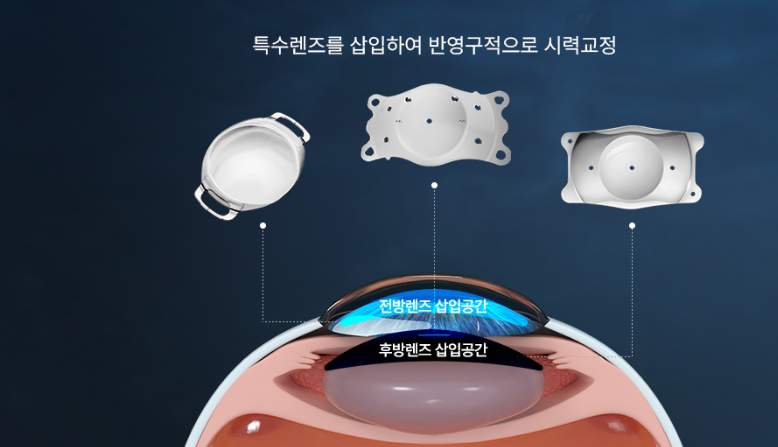
Lens implant surgery is a broad term covering different ophthalmic procedures in which an artificial lens is placed inside the eye.
Some lens-based procedures preserve the natural lens. Others replace it. Therefore, the phrase does not describe one universal operation.
The appropriate approach depends on factors such as:
- Age
- Refractive error
- Eye anatomy
- Natural lens condition
- Corneal characteristics
- Overall ocular health
- Individual visual goals
Women researching lens-based vision correction can review this lens implant surgery information guide as a starting point before discussing personal candidacy with an ophthalmologist.
Why Swimmers Have Unique Vision Needs
Swimming creates visual requirements that differ from many everyday activities.
In a pool, clear vision can help a swimmer recognize lane markings, walls, clocks, other swimmers, and coaches. Meanwhile, open-water swimming can require awareness of buoys, shorelines, waves, boats, and changing environmental conditions.
Consequently, lens implant surgery for swimmer should not be evaluated solely by asking whether someone can see an eye chart clearly.
Real-world visual requirements matter.
Women’s Wellness Is About the Whole Lifestyle
A wellness-oriented decision considers how treatment fits into daily life.
For example, one woman may swim three times a week for general fitness while working long hours at a computer. Another may compete in triathlons and spend significant time training outdoors. Meanwhile, someone else may swim primarily because it provides low-impact exercise and emotional relaxation.
Although all three are swimmers, their visual priorities may differ substantially.
Therefore, personalized consultation matters more than selecting a procedure based only on lifestyle labels.
Vision Correction and Aquatic Convenience
Corrective lenses can create practical challenges around water.
Glasses cannot be used normally while swimming, while prescription goggles may require additional planning. Contact lens use around water also requires appropriate eye-care precautions.
As a result, some swimmers investigate surgical correction because they want greater independence from external vision aids.
However, convenience alone is not sufficient justification for surgery.
Medical suitability must remain the first consideration.
Eye Anatomy Comes Before Lifestyle Preference
Wellness trends frequently emphasize personalization, and ophthalmology requires the same principle.
Before recommending lens implant surgery, a specialist may evaluate multiple aspects of eye health and anatomy.
Depending on the procedure, testing may include refractive measurements, corneal evaluation, eye biometry, anterior eye assessment, and retinal examination.
These results help determine whether lens-based treatment is suitable.
Therefore, a swimmer’s desire to avoid glasses should never override anatomical or medical considerations.
Women’s Eye Health Can Change Across Life Stages
Women may experience changes in visual comfort or eye health during different stages of life.
Pregnancy, postpartum changes, hormonal transitions, medications, age, and general health can all be relevant to medical evaluation.
These factors do not automatically determine whether lens implant surgery is appropriate. Nevertheless, they should be discussed during consultation when relevant.
A complete medical history helps the ophthalmologist understand the patient rather than evaluating only a prescription number.
Define the Visual Goal Clearly
Before choosing a procedure, patients should identify what they actually want from vision correction.
For example, a swimmer may prioritize excellent distance vision for open water. However, the same person may also spend eight hours per day using a computer.
Another patient may need comfortable near vision for reading while maintaining an active recreational lifestyle.
Therefore, consultation should consider:
- Distance vision
- Intermediate vision
- Near vision
- Nighttime visual needs
- Occupational requirements
- Sports participation
The goal is to build a visual strategy around real life.
Recovery Is Part of Wellness
Exercise programs include recovery because adaptation requires time. Surgical care follows the same fundamental principle.
After lens implant surgery, patients may receive temporary restrictions involving exercise, eye rubbing, water exposure, or other activities.
Although someone may feel physically well soon after treatment, the eye still needs appropriate healing.
Consequently, recovery should be treated as part of the procedure rather than an inconvenience that must be shortened.
Water Exposure Requires Special Planning
For swimmers, water exposure is one of the most important postoperative considerations.
Swimming pools, oceans, lakes, and rivers are not sterile environments. Therefore, returning to swimming should follow the treating ophthalmologist’s specific guidance.
The appropriate timeline depends on the procedure and individual recovery.
Patients should ask explicitly when pool swimming and open-water swimming can resume instead of relying on generic online timelines.
Goggles Do Not Replace Medical Advice
Swimmers may assume that tight goggles provide sufficient protection during early recovery.
However, goggles can leak or shift. Moreover, they are athletic equipment rather than sterile medical barriers.
Therefore, wearing goggles should not be used as a reason to return to swimming before receiving appropriate clearance.
Temporary time away from the water can protect a much longer-term investment in vision.
Pool and Open-Water Swimming Are Different
A controlled swimming pool and an ocean are not equivalent environments.
Open water may involve changing water quality, debris, waves, wind, prolonged exposure, and higher physical demands.
Consequently, women who participate in open-water swimming or triathlons should tell their ophthalmologist exactly what their training involves.
This information can support more realistic recovery planning.
Plan Surgery Around Training
Women who train consistently may organize their schedules around races, fitness goals, family commitments, and work.
Elective surgery should be incorporated into that schedule with adequate flexibility.
Before selecting a date, consider:
- Upcoming competitions
- Training blocks
- Travel
- Work obligations
- Family responsibilities
- Required follow-up appointments
Scheduling surgery immediately before an important event may create unnecessary pressure to accelerate recovery.
Instead, allow the body enough time to heal according to medical guidance.
Returning to Exercise Is Not the Same as Returning to Water
A swimmer may be allowed to resume certain daily activities before swimming itself becomes appropriate.
Similarly, the timeline for light walking may differ from strength training or strenuous cardiovascular exercise.
Therefore, patients should ask about each activity separately.
A clear postoperative plan might distinguish between normal daily movement, dry-land training, higher-intensity exercise, pool swimming, and open-water swimming.
This approach prevents ambiguous advice.
Sleep and Recovery Matter
Wellness depends heavily on recovery quality.
Adequate sleep supports general health, although work, parenting, hormonal changes, and other responsibilities can make consistent rest difficult.
Women considering elective surgery should realistically assess whether their current schedule allows them to follow postoperative instructions.
The best procedural timing is not necessarily the earliest available appointment. Instead, it may be the period when recovery can be managed responsibly.
Nutrition and General Health
A balanced diet and appropriate hydration support general wellbeing. Nevertheless, no specific wellness food or supplement can guarantee faster surgical healing.
Patients should be cautious about taking supplements simply because they are marketed for recovery.
Instead, they should inform their medical team about medications and supplements they already use and follow individualized instructions.
Wellness should complement medical care, not compete with it.
Vision and Confidence in the Water
Clearer unaided vision may make some swimmers feel more comfortable navigating aquatic environments.
Nevertheless, surgery should not be presented as an athletic performance enhancer.
Swimming performance depends on many factors, including technique, cardiovascular conditioning, strength, endurance, and training consistency.
Vision correction addresses refractive needs. It does not replace athletic development.
Maintaining realistic expectations helps keep the decision grounded in health rather than performance promises.
Consider Visual Quality Beyond Distance
A standard vision measurement provides useful information, but daily visual experience is more complex.
Women considering lens-based correction should discuss relevant visual conditions such as:
- Bright outdoor environments
- Low-light situations
- Computer use
- Reading
- Driving at night
- Changing light during open-water events
Different lens strategies can involve different visual characteristics and trade-offs.
Therefore, patients should understand what a recommended option is designed to accomplish.
Emotional Wellness and Elective Treatment
Wellness includes psychological as well as physical health.
Elective vision correction may provide practical convenience, but it should not be framed as a guaranteed route to confidence or wellbeing.
A thoughtful decision starts with a specific functional goal.
For example: “I want to explore whether I can safely reduce my dependence on corrective lenses while maintaining my swimming lifestyle.”
That is more realistic than expecting a procedure to transform broader self-perception.
Patient Education Supports Better Decisions
Informed patients can participate more actively in treatment planning.
Before considering lens implant surgery for swimmer, useful questions include:
- Which lens procedure are you recommending?
- Why does it fit my eye anatomy?
- What alternatives are available?
- What visual trade-offs should I understand?
- When can I resume exercise?
- When can I return to the pool?
- When can I return to open water?
- What symptoms during recovery require attention?
- How often will follow-up examinations be needed?
Clear answers help connect clinical information with lifestyle requirements.
Follow-Up Care Is Essential
A wellness journey does not end when an intervention is completed.
Likewise, eye care continues after surgery.
Follow-up appointments allow the ophthalmologist to assess healing, monitor visual progress, and provide individualized recommendations.
For swimmers, these appointments can also help determine when returning to aquatic activity is appropriate.
Feeling good is encouraging, but it should not replace professional assessment.
Long-Term Eye Health Comes First
The goal of lens implant surgery should extend beyond the next swimming season.
Patients should consider how their eyes and visual requirements may change over time.
Age, occupation, hobbies, general health, and other factors can influence future needs.
Therefore, the most suitable option is not necessarily the procedure that offers the greatest immediate convenience. It is the approach that appropriately balances current goals with long-term eye health.
A Sustainable Wellness Perspective
Women’s wellness increasingly emphasizes sustainable habits rather than extreme short-term solutions.
The same philosophy is useful when evaluating elective vision correction.
First, understand the health of the eyes. Next, define realistic visual goals. Then, evaluate available procedures and alternatives. Finally, plan recovery around the individual’s actual lifestyle.
This sequence encourages informed care rather than impulsive treatment.
Conclusion: Clear Vision Should Fit the Whole Person
Lens implant surgery for swimmer is a highly individualized decision, especially when considered through a women’s wellness perspective.
Swimming creates distinctive visual and recovery considerations. However, lifestyle preference must be balanced with eye anatomy, medical history, visual priorities, and long-term health.
For women considering lens-based vision correction, the best starting point is a comprehensive ophthalmic evaluation. From there, treatment can be discussed in the context of work, family, training, water exposure, and future visual needs.
Ultimately, wellness is about creating sustainable alignment between health and lifestyle. Vision correction should follow the same principle: choose an approach that fits the whole person, not simply the next swim.
Featured Image Suggestion
A single realistic photograph of an adult female swimmer in casual athletic clothing discussing eye measurements with an ophthalmologist in a calm, modern clinic. Swimming goggles should appear subtly on a nearby table.
Style: natural women’s wellness photography, modern healthcare setting, soft daylight, realistic human interaction, no text overlay.